
"quinic acid"
200 article(s) found

The basic Chemical reaction of Coffee Baking process
Original: Basic Chemical Reactions Occurring in the Roasting Process by Carl Staub sourced from the SCAA Roast Color Classification System developed by Agtron-SCAA in 1995 Many thermal and chemical reactions occur during the roasting proces

Analysis of acid components in high-quality coffee
The acidity of coffee is usually considered to be related to the quality of coffee. Acidity is typical of high-value coffee in Central America and East Africa. Excessive sour taste is considered to be the disadvantage of coffee. Acidity is related to growing at very high altitudes and mineral-rich volcanic soils. The acidity of washed beans is higher than that of sun-dried beans. For example, the concentration of sun-dried beans is heavier than that of washed beans, because the concentration obscures the acid of coffee.

Analysis of acid components in boutique coffee knowledge coffee
The acidity of coffee is usually considered to be related to the quality of coffee. Acidity is typical of high-value coffee in Central America and East Africa. Excessive sour taste is considered to be the disadvantage of coffee. Acidity is related to growing at very high altitudes and mineral-rich volcanic soils. The acidity of washed beans is higher than that of sun-dried beans. For example, the concentration of sun-dried beans is heavier than that of washed beans, because the concentration obscures the acid of coffee.

Basic chemical reactions in the roasting process of coffee in both Chinese and English
Original: Basic Chemical Reactions Occurring in the Roasting Process by Carl Staub sourced from the SCAA Roast Color Classification System developed by Agtron-SCAA in 1995 Many thermal and chemical reactions occur during the roasting proces

Explanation of the basic chemical reaction of coffee roasting in both Chinese and English
Original: Basic Chemical Reactions Occurring in the Roasting Process by Carl Staub sourced from the SCAA Roast Color Classification System developed by Agtron-SCAA in 1995 Many thermal and chemical reactions occur during the roasting proces
How does the sour and bitter in coffee come from?
Many thermal and chemical reactions take place during baking: decarbonation, dehydration of quinic acid, subdivision, isomerization, polymerization, and complex sugar reactions (caramelization).

Why some coffee is sour (part 1)
Professional coffee knowledge exchange more coffee bean information Please pay attention to the coffee workshop (Wechat official account cafe_style) acidity is the most controversial attribute in boutique coffee, although many boutique coffee lovers and competition judges like good acidity, acidity also often makes people confused. What is sour? Why did you get the coffee? Is acid good or bad? More
Basic chemical reactions that occur during coffee roasting
Many thermal and chemical reactions take place during baking: decarbonation, dehydration of quinic acid, fragmentation, isomerization, polymerization, and complex sugar reactions (caramelization). The main thermally reactive components are monosaccharides and sucrose, chlorogenic acid, displaced amino acids, and trigonelline amide. Both aravinone and calactose in polysaccharides are transferred, and basic sulfurization contains hydroxyamino acids.

Coffee knowledge sharing: main ingredients and aroma sources of coffee beans
Professional coffee knowledge exchange more coffee bean information Please pay attention to the main ingredients of coffee beans in the coffee workshop (Wechat official account cafe_style) sucrose: in the baking process, part of the sucrose will be broken down into acetic acid, formic acid, glycolic acid, lactic acid, the other part of the sucrose will go through the caramelization reaction to form caramel, which increases the flavor of the coffee. Caffeine: with a bitter taste and a high melting point
The basic chemical reaction of coffee roasting process
Many thermal and chemical reactions take place during baking: decarbonation, dehydration of quinic acid, subdivision, isomerization, polymerization, and complex sugar reactions (caramelization). The main components of the thermal reaction are monosaccharides and sucrose, chlorogenic acid, free amino acids, and fenugreek amide. Both aravinose and calactose in the polysaccharides are transferred, and the basic vulcanization contains hydroxylated amino acid.
The basic chemical reaction that takes place during coffee roasting.
Many thermal and chemical reactions take place during baking: decarbonation, dehydration of quinic acid, subdivision, isomerization, polymerization, and complex sugar reactions (caramelization). The main components of the thermal reaction are monosaccharides and sucrose, chlorogenic acid, free amino acids, and fenugreek amide. Both aravinose and calactose in the polysaccharides are transferred, and the basic vulcanization process includes hydroxylamine.

The basic chemical reactions that take place during coffee roasting
Many thermal and chemical reactions take place during baking: decarbonation, dehydration of quinic acid, subdivision, isomerization, polymerization, and complex sugar reactions (caramelization). The main components of the thermal reaction are monosaccharides and sucrose, chlorogenic acid, free amino acids, and fenugreek amide. Both aravinose and calactose in the polysaccharides are transferred, and the basic vulcanization process includes hydroxylamine.
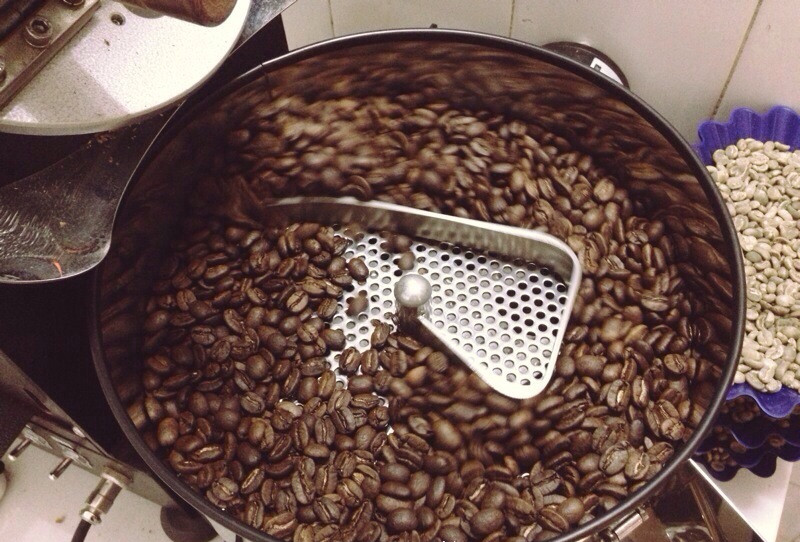
Basic chemical reactions of coffee beans during coffee roasting
Many thermal and chemical reactions take place during baking: decarbonation, dehydration of quinic acid, subdivision, isomerization, polymerization, and complex sugar reactions (caramelization). The main components of the thermal reaction are monosaccharides and sucrose, chlorogenic acid, free amino acids, and fenugreek amide. Both aravinose and calactose in the polysaccharides are transferred, and the basic vulcanization process includes hydroxylamine.
The basic chemical reactions that take place during coffee roasting
Many thermal and chemical reactions take place during baking: decarbonation, dehydration of quinic acid, subdivision, isomerization, polymerization, and complex sugar reactions (caramelization). The main components of the thermal reaction are monosaccharides and sucrose, chlorogenic acid, free amino acids, and fenugreek amide. Both aravinose and calactose in the polysaccharides are transferred, and the basic vulcanization process includes hydroxylamine.
The basic chemical reactions that take place during coffee roasting.
Many thermal and chemical reactions take place during baking: decarbonation, dehydration of quinic acid, subdivision, isomerization, polymerization, and complex sugar reactions (caramelization). The main components of the thermal reaction are monosaccharides and sucrose, chlorogenic acid, free amino acids, and fenugreek amide. Both aravinose and calactose in the polysaccharides are transferred, and the basic vulcanization process includes hydroxylamine.

Why American coffee tastes sour | can you drink it when it's sour? | Coffee has sour taste.
Professional coffee knowledge exchange more coffee bean information please pay attention to the coffee workshop (Wechat official account cafe_style) Coffee should not be bitter? Why does American coffee taste sour? Can I still drink the coffee when it's sour? People who don't drink coffee very much will wonder why when they suddenly drink some fine coffee. This thing is not bitter? Why is it still sour?
The basic chemical reaction of coffee technology in the process of coffee roasting
Many thermal and chemical reactions take place during baking: decarbonation, dehydration of quinic acid, subdivision, isomerization, polymerization, and complex sugar reactions (caramelization). The main components of the thermal reaction are monosaccharides and sucrose, chlorogenic acid, free amino acids, and fenugreek amide. Both aravinose and calactose in the polysaccharides are transferred, and the basic vulcanization process includes hydroxylamine.
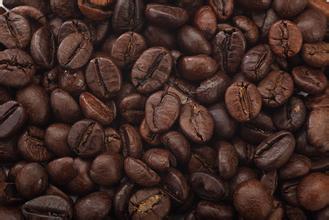
Is it caffeic acid at high altitude? The higher the Haibo, the better the quality of the coffee. Where does the acid in the coffee come from?
The influence of altitude on coffee flavor the influence of geographical location on coffee bean flavor is profound. All coffee grows in the tropics, and the altitude at which it grows has a profound effect on the taste of coffee. The tropical belt extends from 30 degrees north latitude to the equatorial regions of the southern mountains that produce the world's truly high-quality Arabica coffee. Central and South America, South Asia and some Pacific islands, non-
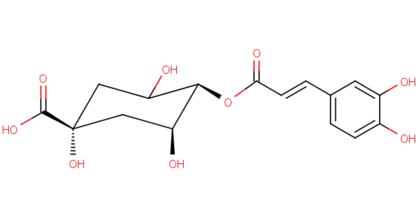
SCAA Emma Bladyka chlorogenic acid: the importance of chemical changes in chemistry and reality baking
What are they? Many plants contain chlorogenic acid in addition to caffeine. Acids have this very similar structure in the Luyuan Group, and the composition of an ester usually includes caffeic acid and quinic acid as components. All chlorogenic acids belong to a larger class of phenolic acids. In nature, phenolic acids are usually used as defensive compounds by plants, or as a signaling mechanism between plants and soil microorganisms. they
Why is boutique coffee so sour? Talk about the baking chemical changes and flavor levels of coffee beans
Professional coffee knowledge exchange more coffee bean information Please follow the coffee workshop (Wechat official account cafe_style) after drinking boutique coffee, what do you think is the biggest difference between boutique coffee and ordinary coffee? The editor thinks it's sour. It's not that fine coffee has to be sour, nor does it mean other coffee.